
AI-Powered Demand Forecasting: How to Reduce Waste and Optimize Inventory in Food Manufacturing
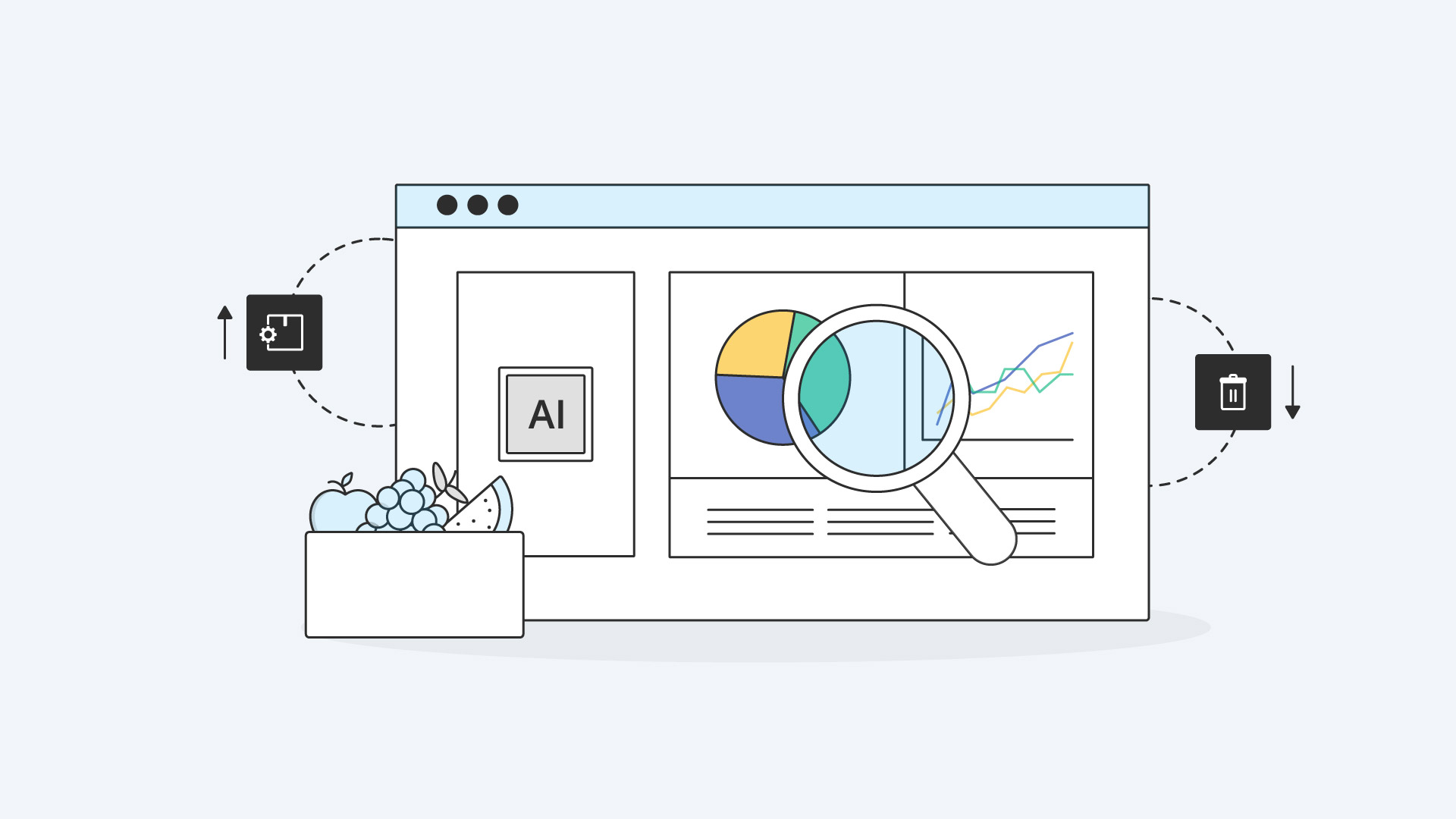
In food and beverage manufacturing, effectively managing inventory while meeting fluctuating demand is a constant challenge. Overproduction leads to spoilage and waste, while underproduction risks stockouts and missed sales opportunities. These challenges are particularly difficult when dealing with perishable goods, where timing and accuracy are critical.
While demand forecasting has long been a feature in ERP systems like Microsoft Dynamics 365 Business Central, recent advancements in AI-powered forecasting are making this process more accurate, adaptive, and data-driven. In this post, we’ll explore how AI can revolutionize demand forecasting in food manufacturing, helping companies reduce waste, optimize inventory, and improve overall efficiency.
Traditional Forecasting vs. AI-Powered Forecasting

Traditional demand forecasting in ERP systems primarily relied on historical data and was often static in nature. While it could identify basic trends and patterns, it struggled to adapt to sudden changes in demand, external factors like weather or market shifts, or new consumer behaviors.
With AI-powered forecasting, businesses can now leverage machine learning models and dynamic algorithms that continuously refine predictions in real-time. These models, such as ARIMA and Prophet, analyze not only historical sales data but also external factors like seasonality, market trends, and even weather data. This allows manufacturers to make more agile and accurate decisions, keeping inventory aligned with real-time demand fluctuations.
Additionally, Microsoft Dataverse plays a crucial role by unifying data from various sources—such as sales, marketing, and supply chain operations—into a central repository. This centralized data can then be fed into AI models, resulting in forecasts that are not only more accurate but also actionable.
How AI-Powered Demand Forecasting Works in Business Central
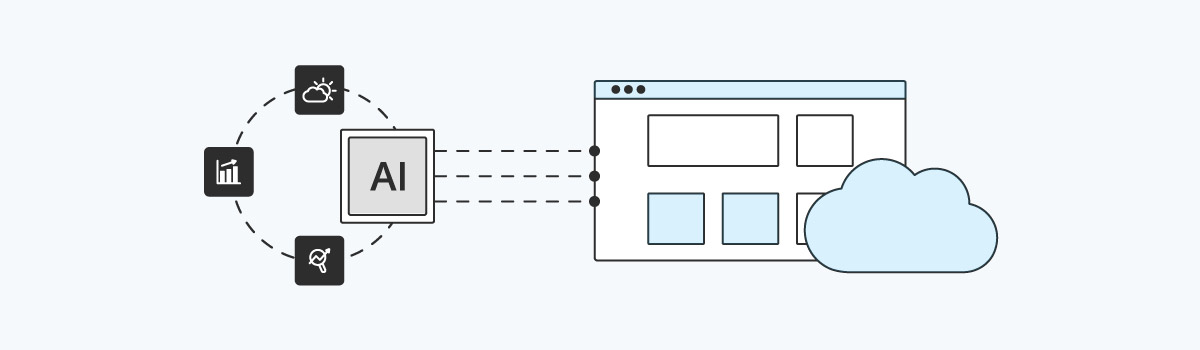
In Microsoft Dynamics 365 Business Central, AI-powered demand forecasting is enhanced by the integration of tools like Power BI and Azure AI. These tools provide deep insights that go beyond traditional forecasting methods.
Here’s how it works:
Data Aggregation
Business Central gathers data from sales history, supplier performance, and other critical sources. If integrated with Dataverse, it can pull in even more diverse datasets, enhancing the predictive accuracy of AI models.
AI-Driven Forecasting
AI algorithms analyze this data to identify demand patterns and suggest optimal inventory levels. These models adjust in real-time based on new inputs, enabling businesses to be more responsive to changes in market conditions or consumer behavior.
Dynamic Adjustments
AI allows businesses to adjust forecasts dynamically based on real-time sales and external factors, such as unexpected market disruptions. This ensures that manufacturers can minimize overproduction or understocking.
Real-World Examples

To see how AI-powered forecasting can make a tangible impact, let’s look at two real-world examples:
1. Domino’s Pizza UK & Ireland
Domino’s Pizza UK & Ireland is using AI-powered demand forecasting within Dynamics 365 Supply Chain Management to optimize their operations and reduce food waste. They previously relied on manual processes with spreadsheets, which lacked the flexibility and intelligence needed to respond to daily changes in demand. By implementing AI-driven forecasting, they can now adjust to external factors such as weather changes, helping them keep their stores stocked while reducing waste. They can also run simulations, allowing them to make data-driven decisions that optimize their entire supply chain
You can read more about this success story here
2. G&J Pepsi
G&J Pepsi, one of the largest Pepsi bottlers, also saw remarkable results after adopting Dynamics 365 and AI-powered forecasting tools. By optimizing their supply chain, the company increased profits by $30 million, while also improving customer service and operational efficiency. The integration of AI helped them respond more effectively to market changes, allowing them to better manage inventory and meet consumer demand
You can read more about this success story here.
The Role of Power BI, Azure AI, and Dataverse in AI-Powered Forecasting
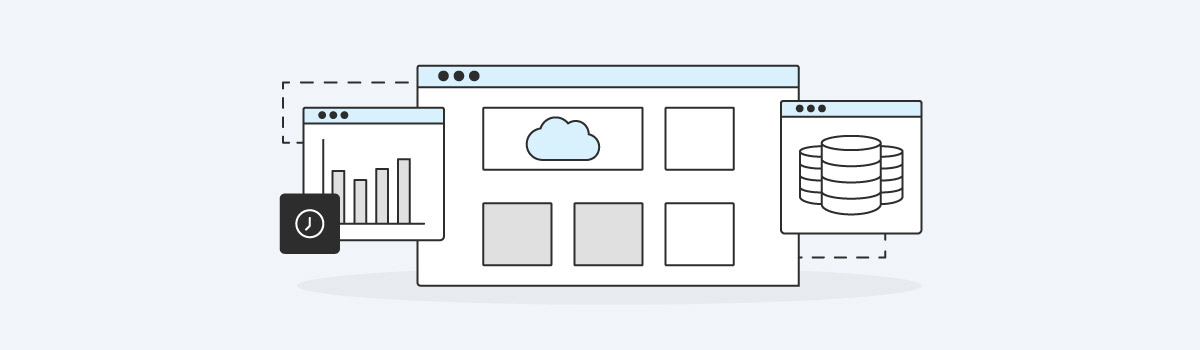
In Microsoft Dynamics 365 Business Central, the synergy between Power BI, Azure AI, and Dataverse plays a critical role in making AI-powered demand forecasting highly accurate and actionable.
- Microsoft Dataverse acts as the backbone, unifying data from various sources such as sales, marketing, and supply chain operations into a single, centralized repository. This allows businesses to feed comprehensive and diverse datasets into AI models, which results in more accurate and insightful demand forecasts.
- Power BI comes into play by enabling manufacturers to visualize these forecasts in real-time, offering decision-makers easy-to-understand insights into demand trends and performance metrics. Interactive dashboards allow users to drill down into specific data points, providing clarity on how forecasts are evolving and how they can act upon these insights.
- Azure AI is a key component in this setup, leveraging machine learning algorithms to continuously refine forecasts based on the latest data. With Azure AI, businesses can take advantage of advanced predictive capabilities, such as identifying patterns that may not be immediately visible through traditional forecasting models. This includes dynamically adjusting forecasts for external factors like weather disruptions or market shifts.
By integrating these powerful tools, Business Central offers manufacturers a complete solution for proactive, AI-powered demand forecasting—helping reduce waste, optimize inventory, and respond to real-time changes with confidence.
Why AI-Powered Demand Forecasting Matters

For food manufacturers, the costs of inaccurate forecasting are high. Overproduction leads to waste, spoilage, and lost revenue, while underproduction can mean stockouts and unhappy customers. With AI-powered demand forecasting, businesses can reduce these risks by making better-informed decisions. AI doesn’t just forecast—it enables dynamic, data-driven adjustments that can significantly improve a company’s bottom line.
In summary, AI-powered forecasting in Business Central offers food manufacturers a more precise, flexible, and real-time solution for managing inventory and meeting demand. Whether you’re dealing with perishable goods or complex supply chains, AI helps you reduce waste, optimize resources, and increase profitability.
Want to learn more about how AI can transform your demand forecasting? Get in touch for a consultation
About FoodCloudPlus Services
We leverage the Microsoft Dynamics 365 Business Central platform and add food-specific functionality through our BC Apps that addresses compliance, food safety, quality, recalls, recipe management, batch processing, staging and spice room management.