
AI-Driven Production Planning: Aligning Supply with Consumer Demand

In the food manufacturing industry, maintaining a balance between supply and demand is critical. Overproduction leads to wasted resources and increased storage costs, while underproduction results in stockouts and missed opportunities. Traditionally, production planning relied on static forecasts and manual updates, making it difficult for manufacturers to adjust to real-time changes in demand.
For manufacturers looking to gain advanced production planning capabilities, Microsoft Dynamics 365 Supply Chain Management offers AI-driven optimization tools that allow for real-time adjustments, predictive analytics, and comprehensive data integration across the supply chain. When used in conjunction with Business Central, companies can achieve full visibility into both their operational and financial processes. Business Central serves as a robust ERP foundation that integrates essential functions across finance, sales, and inventory, providing the groundwork necessary for a successful, scalable AI-powered solution in Supply Chain Management.
How AI Enhances Production Planning
Data Aggregation and Analysis
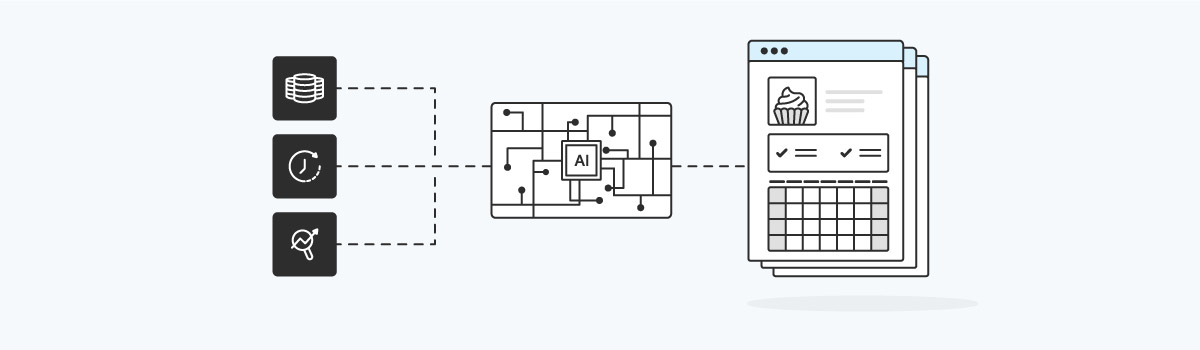
In an integrated solution, Business Central provides a centralized hub for data across finance, inventory, and customer orders. This centralization supports Supply Chain Management by feeding it comprehensive, real-time data from core business functions. AI models within Supply Chain Management can then analyze this data more effectively, using Business Central’s insights into inventory levels, sales patterns, and purchasing to optimize production schedules in response to demand and supply chain fluctuations.
Real-Time Adjustments
Business Central offers foundational inventory and sales forecasting capabilities that help stabilize day-to-day operations and support timely decision-making. When integrated with Supply Chain Management, businesses can achieve enhanced, dynamic adjustments for production planning based on real-time inputs, such as demand surges or changes in supplier lead times. Business Central’s role in maintaining accurate inventory data and sales forecasts allows Supply Chain Management’s AI to fine-tune production scheduling with precise and up-to-date information.
Demand Forecasting
While Supply Chain Management provides advanced forecasting tools, Business Central adds critical financial context, offering a complete picture of costs and cash flow implications. This integration enables manufacturers to align production planning not only with demand but also with financial goals, creating a balance between operational efficiency and financial performance.
Real-World Example: AI in Microsoft Dynamics 365 for Manufacturing

A great example of how Business Central and Supply Chain Management work together can be seen in Microsoft Dynamics 365’s approach to holistic supply chain and production management. Manufacturers using this integrated solution can optimize their supply chains by analyzing production data, supplier dynamics, and market signals in real-time, benefiting from Business Central’s core data foundation and Supply Chain Management’s predictive insights. This setup not only improves production planning but also enhances inventory management and financial visibility, reducing both costs and waste.
To explore these capabilities in more detail, visit Microsoft’s guide on AI in supply chain and manufacturing.
Power BI for Real-Time Monitoring

In addition to AI-driven production planning, Business Central and Supply Chain Management both integrate with Power BI to provide a unified view of production and operational efficiency. Power BI dashboards allow decision-makers to track key metrics such as:
Production Output vs. Demand Forecasts
With data consolidated from both Business Central and Supply Chain Management, manufacturers can ensure production aligns with current demand.
Downtime and Bottlenecks
Identify inefficiencies that can be corrected, leveraging insights from Business Central’s financials alongside production data.
Supplier Performance
Track how supplier lead times and performance affect production schedules.
This unified view allows businesses to optimize processes further by drawing insights from the entire operational and financial landscape.
Why AI-Driven Production Planning Matters

An integrated solution with Business Central and Supply Chain Management offers several critical benefits:
Minimized Downtime
By synchronizing core business functions with real-time production data, manufacturers ensure resources are used efficiently, reducing idle time and improving productivity.
Better Responsiveness
The combined insights from Business Central and Supply Chain Management allow manufacturers to respond quickly to market shifts, aligning production with both demand and financial considerations.
Lower Costs
The full ERP solution, powered by AI, reduces overproduction, lowers waste, and improves overall profitability.
For food manufacturers, aligning production with consumer demand is crucial for reducing waste and maximizing profitability. By leveraging Business Central’s foundational ERP capabilities alongside the advanced production planning features in Supply Chain Management, manufacturers gain a comprehensive AI-driven solution. Business Central provides the critical operational backbone, while Supply Chain Management offers predictive insights and dynamic production planning, creating a robust, integrated system for driving growth and efficiency.
About FoodCloudPlus Services
We leverage the Microsoft Dynamics 365 Business Central platform and add food-specific functionality through our BC Apps that addresses compliance, food safety, quality, recalls, recipe management, batch processing, staging and spice room management.